
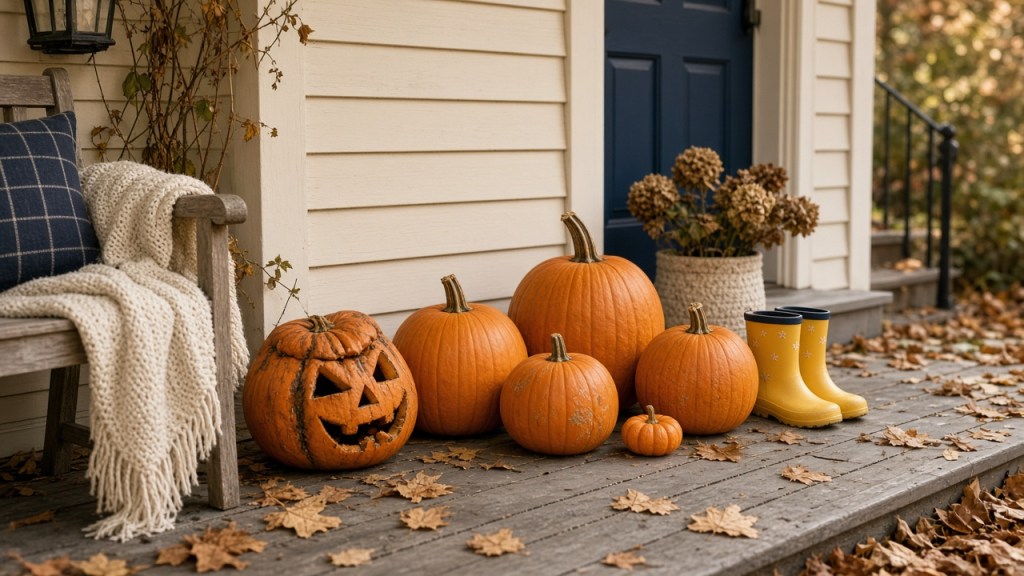
Halloween is over, the candy has been sorted (and quietly “taxed”), and there are still pumpkins on the porch. Maybe a slightly saggy jack-o’-lantern, a couple of uncarved pumpkins from the patch, and that tiny one your youngest refuses to let go of.
Before they head to the trash, there’s a lot of fun, learning, and even snacking left in them. Here’s how we give our leftover pumpkins a second life, with plenty of jobs for little helpers along the way.
As an Amazon Associate we earn from qualifying purchases.
First, check: is it still good?
Not every pumpkin gets the same second act. A quick sort makes everything else easier.
- Carved pumpkins are for decorating, not eating. Once a pumpkin is cut open and sits at room temperature for more than about two hours, food safety experts treat it like any other perishable food left out too long. A jack-o’-lantern that has been on the porch for a week has also met bugs, critters, and the weather. Skip cooking with it. It can still be composted or used for science.
- Uncarved pumpkins can often still be used. If the pumpkin is firm, has no soft spots, and shows no mold or rot, it may still be fine for cooking. Pumpkins that were kept indoors and stayed clean are the best bets.
- Painted, glittered, or waxed pumpkins aren’t for eating, or for animals. Paint and glitter can be harmful to wildlife, so these pumpkins go in the trash, or in the compost only after you’ve removed the decorations.
- When in doubt, toss it. Mushy, moldy, leaking, or smelly pumpkins are done. Wear gloves, or let a grown-up handle that one.
Kid job: Make it a “pumpkin inspection.” Kids can press for soft spots, look for fuzzy mold (look, don’t touch), and sort pumpkins into “cook,” “craft,” and “compost” piles.
1. Roast pumpkin seeds
If you saved seeds on carving night, this is your sign to roast them. Seeds from a freshly cut pumpkin are perfect. If yours have been sitting in a slimy jack-o’-lantern for a week, start with seeds from a fresh, uncarved pumpkin instead.
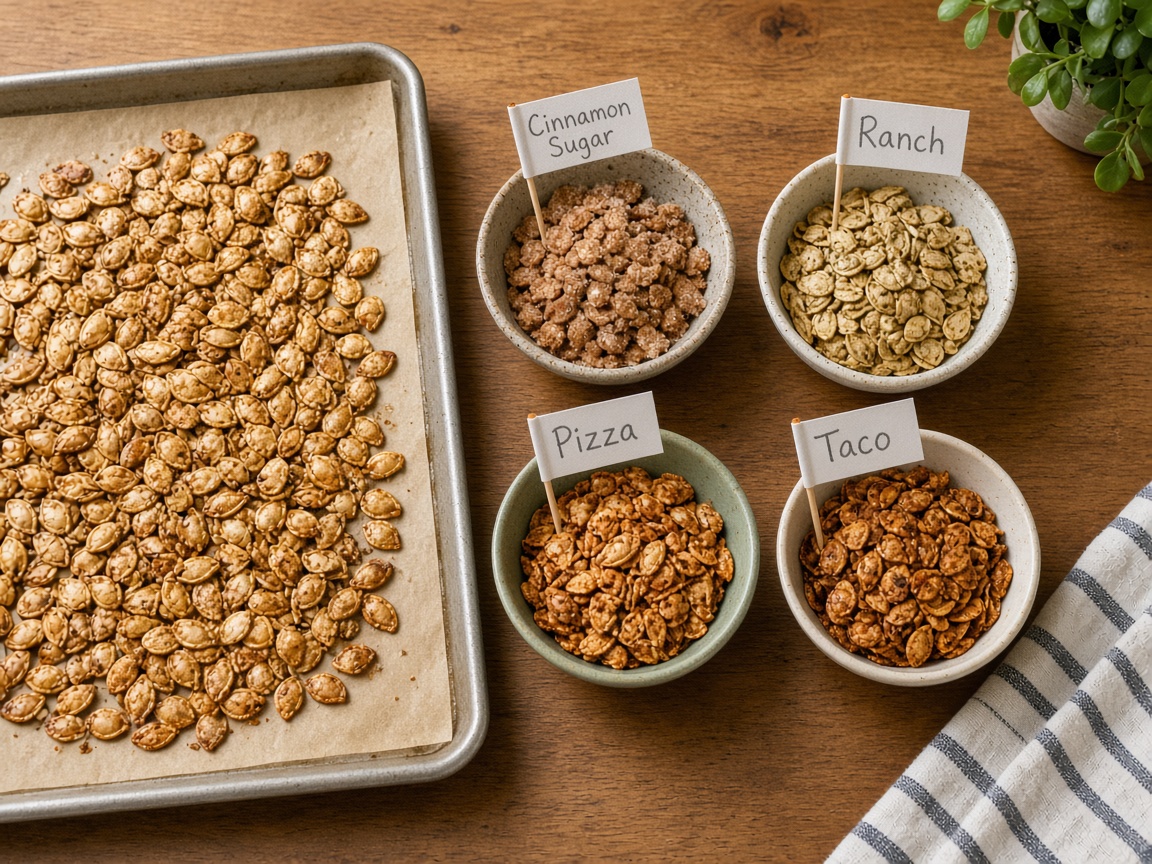
Our easy roasted pumpkin seeds
- Scoop out the seeds and rinse them in a colander, pulling off the stringy bits. Little hands love this squishy job.
- Pat the seeds very dry with a kitchen towel. Dry seeds get crispy.
- Toss with about 1 tablespoon of olive oil or melted butter and ½ teaspoon of salt per cup of seeds.
- Spread in a single layer on a sheet pan lined with parchment paper.
- Roast at 325°F for 20 to 30 minutes, stirring every 10 minutes, until golden and crunchy. Let them cool before tasting.
Flavor ideas the kids can pick:
- Cinnamon sugar: butter, cinnamon, and a sprinkle of sugar
- Ranch: a spoonful of ranch seasoning mix
- Pizza: parmesan, garlic powder, and Italian seasoning
- Taco night: chili powder, cumin, and a squeeze of lime
A quick note: whole seeds can be a choking hazard for toddlers and preschoolers, so save this snack for older kids, or let the little ones help with the cooking instead of the eating.
2. Make pumpkin puree (with the right pumpkin)
Here’s the thing nobody mentions at the pumpkin patch: big carving pumpkins are technically edible, but their flesh is watery, stringy, and not very sweet. For baking, smaller pie pumpkins (also called sugar pumpkins) are much better.
If you have a firm, clean, uncarved pie pumpkin:
- Cut it in half and scoop out the seeds (save them for roasting!).
- Place the halves cut-side down on a lined baking sheet.
- Roast at 400°F for 45 to 60 minutes, until a fork slides in easily.
- Scoop out the soft flesh and blend it in a blender or food processor until smooth.
- Store in the fridge for a few days, or freeze in freezer bags in 1-cup portions for later.
Work in small batches and get the puree into the fridge quickly. Don’t let it sit out on the counter.
3. Bake easy pumpkin treats together
Homemade puree (or a can of pumpkin, no judgment) turns into so many kid-friendly recipes.
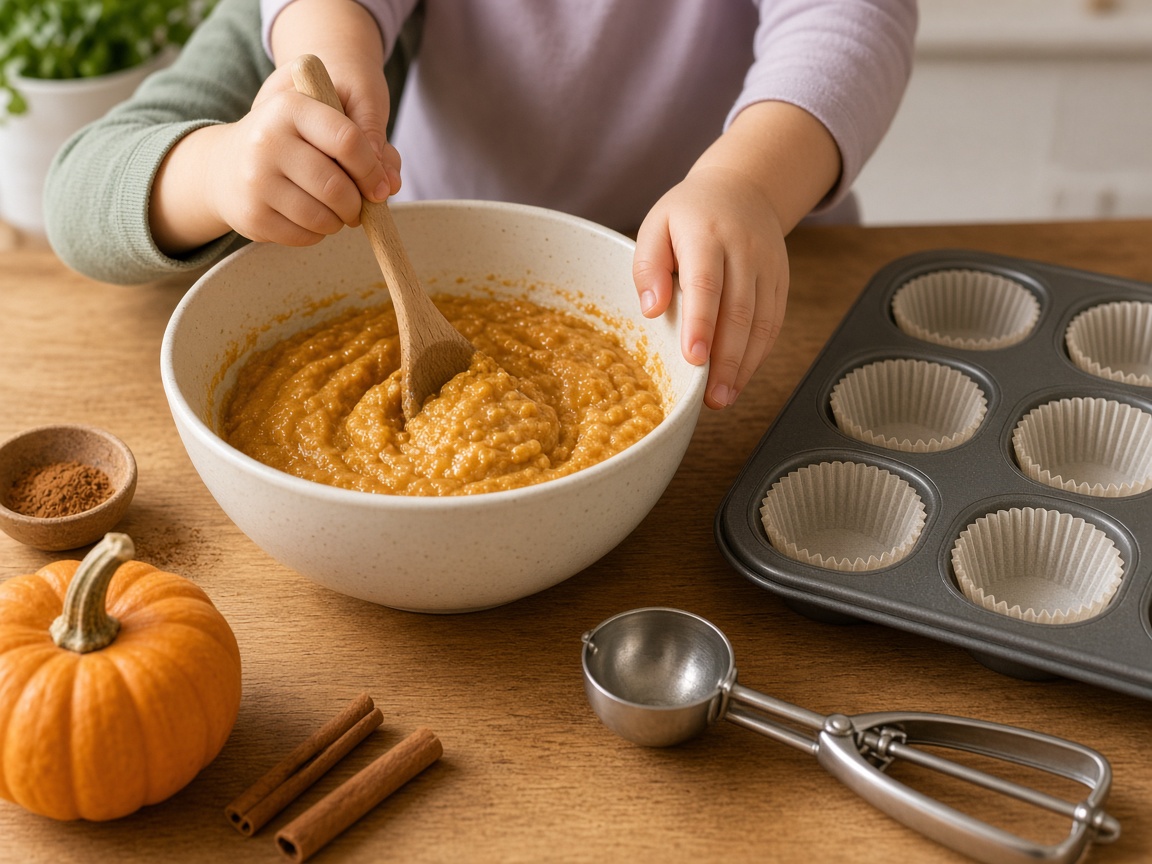
- Pumpkin muffins: Add a cup of puree and a little pumpkin pie spice to your favorite muffin mix or recipe. Mini muffin pans make perfect lunchbox-sized bites.
- Pumpkin pancakes: Stir about ½ cup of puree and a pinch of cinnamon into pancake batter. Weekend breakfast, upgraded.
Kid jobs: measuring, stirring, sprinkling spice, and filling muffin liners with a cookie scoop.
4. Turn it into a bird feeder
A small pumpkin makes a sweet backyard bird feeder.
- Cut a small, unpainted pumpkin in half and scoop it clean.
- Poke two holes on each side and thread twine through, or push in sturdy sticks as perches.
- Fill with bird seed and hang it from a tree branch.
Watching for visitors is a great excuse for a little nature journal. Kids can draw or tally which birds stop by. Toss the pumpkin once it starts to get soft.
5. Try pumpkin science experiments
Pumpkins are basically a ready-made science kit. A few of our favorites:
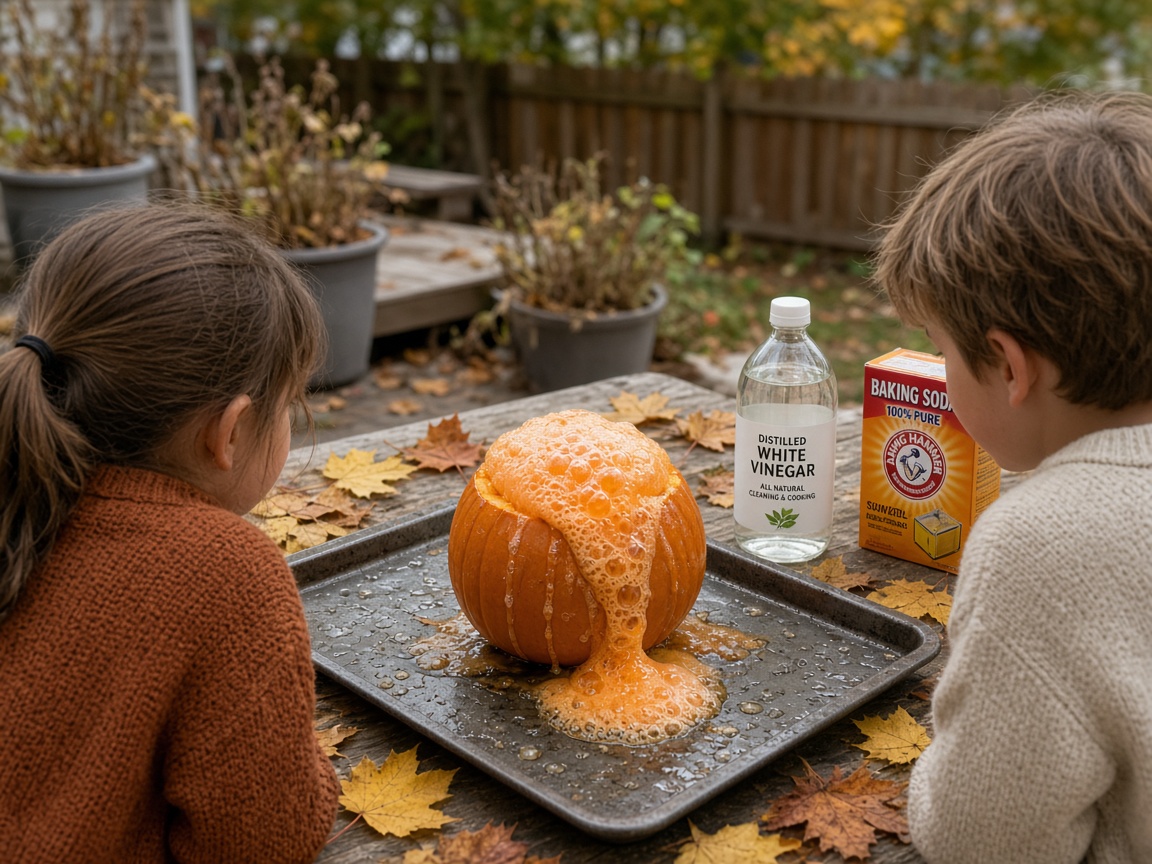
- Pumpkin volcano: Cut the top off a small pumpkin, scoop it out, and put in a few spoonfuls of baking soda, a squirt of dish soap, and a few drops of food coloring. Pour in vinegar and watch it bubble over. Do this one outside or on a tray!
- Sink or float: Fill a big bin or the bathtub with water. Make guesses first, then test: Does a whole pumpkin float? A seed? A chunk of the shell? (Spoiler: pumpkins usually float, which surprises everyone.)
- Count the seeds: Guess how many seeds are inside, then count them in groups of 10 using an egg carton or ice cube tray. Compare a small pumpkin to a big one.
- Decomposition jar: Put a few pumpkin chunks in a clear jar with a lid, set it somewhere out of reach, and check it every few days. Kids can draw what changes. Keep the lid on and don’t open it inside. Mold is fascinating to watch and not something to sniff.
- Measure and weigh: Use a tape measure and a bathroom scale to compare pumpkins. Which is heaviest? Which is roundest?
6. Plant seeds for next year
Save a handful of seeds from a non-carved pumpkin, rinse them, and dry them on a paper towel for about a week. Store them in a labeled envelope in a cool, dry place until spring. Kids love the idea of growing their own pumpkin patch, even if it’s just one vine.
7. Compost it (or have a pumpkin smash!)
Pumpkins are mostly water and break down quickly, which makes them great compost. Pumpkins sent to a landfill don’t break down well and can create methane, so composting is a better choice.
- Remove candles, wax, paint, glitter, and stickers first.
- Scoop out the seeds, unless you want surprise pumpkin vines next summer.
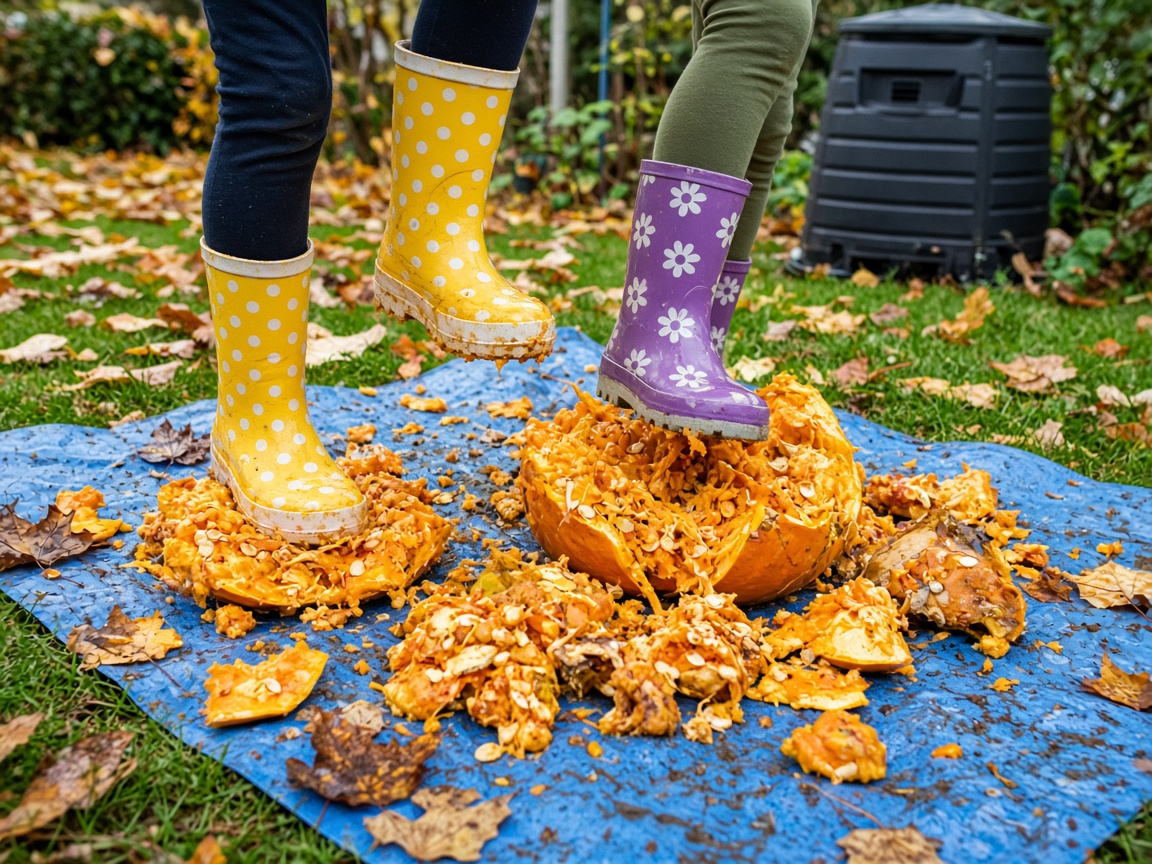
- Break it into pieces. Here’s where the fun comes in: a supervised “pumpkin smash.” Put the pumpkin on a tarp and let kids stomp it, or give them a toy hammer. Then add the pieces to your compost bin or bury them in the garden bed.
- No compost at home? Many towns run pumpkin collection or compost drop-off events in November. Check your city or county website.
8. Donate to a farm, zoo, or animal sanctuary
Some farms, zoos, and animal rescues happily take leftover pumpkins as animal snacks. A few tips:
- Call ahead first. Not every place accepts them, and some only take them on certain days.
- Uncarved and unpainted only, with no wax, glitter, or rot.
- Let the kids come along if the farm allows it. Seeing a pig or goat enjoy their pumpkin is the best possible ending.
9. Keep uncarved pumpkins as fall and Thanksgiving decor
Uncarved pumpkins can last for weeks if kept cool and dry, so they can carry you right through Thanksgiving.
- Swap spooky for cozy. Group pumpkins with mini gourds, pinecones, and a plaid table runner.
- Make a gratitude pumpkin. Kids write things they’re thankful for on a pumpkin with a metallic paint marker, then add to it all month. (Since it’s decorated, it goes in the trash, not the compost or to animals, when you’re done.)
- Turn one into a vase. Hollow out a small pumpkin, tuck a jar of water inside, and fill it with grocery store flowers for the Thanksgiving table.
What NOT to do with old pumpkins
- Don’t toss pumpkins into the woods, parks, or streams. It can draw animals into the wrong places and creates litter, and painted pumpkins can be harmful to wildlife.
- Don’t feed painted, glittered, or waxed pumpkins to animals, or put them in compost without removing the decorations.
- Don’t cook with carved jack-o’-lanterns or any pumpkin that’s soft, moldy, or leaking.
- Don’t leave rotting pumpkins on the porch. They get slippery and attract bugs. Ask us how we know.
The wrap-up
Leftover pumpkins don’t have to be a chore. With one quick sort, they turn into a crunchy snack, a weekend baking project, a backyard science lab, and a fun excuse to stomp around in rain boots. Pick one or two ideas that fit your week, let the kids take the lead, and send the rest off to the compost pile with a thank-you.
What’s your family’s favorite way to use leftover pumpkins? We’d love to hear it!


Leave a Reply